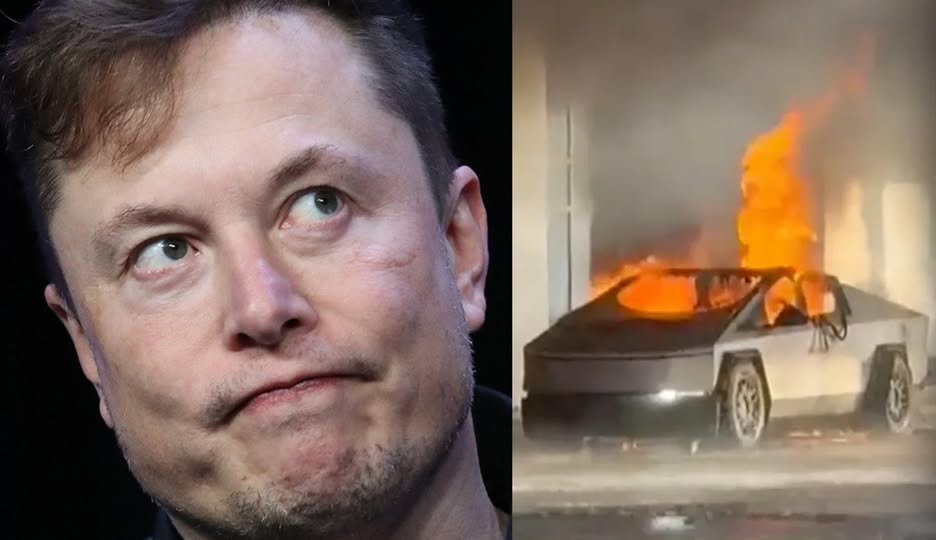
Once upon a time, Elon Musk promised a clean-energy revolution through electric-powered vehicles. Now he’s delivering a cautionary tale in political self-sabotage.
New numbers show Tesla’s global sales dropped 9 percent in 2025, with U.S. sales plunging even harder — a stunning reversal for a company that once defined the electric vehicle boom. The reason? A perfect storm of Trump-era policy, Musk’s own political crusade, and a product lineup stuck in the past.
After Donald Trump and congressional Republicans gutted federal EV incentives, Tesla — the biggest beneficiary of those credits — was hit hardest of all. The company that once rode government support to global dominance suddenly found itself without a safety net. And instead of adapting, Musk doubled down on culture-war theatrics, cozying up to the same politicians who dismantled the policies keeping his business competitive.
The result? Tesla lost its crown to China’s BYD, which now sells more electric vehicles worldwide. While Musk chased robotaxi fantasies and right-wing clout, competitors focused on building affordable cars people actually want to buy.
The numbers are brutal. Tesla’s annual sales fell to 1.64 million vehicles, down from 1.8 million the year before. Fourth-quarter sales collapsed after EV tax credits vanished. Meanwhile, Chinese and European automakers surged ahead, offering cheaper, better-equipped models while Tesla kept selling aging designs with fewer features — sometimes literally removing radios and basic amenities to cut costs.
The irony is almost poetic. Musk spent years attacking environmental regulations, mocking Democrats, and cozying up to Trump — only to watch his company get kneecapped by the very political movement he embraced. The clean-energy transition he once championed didn’t die; it just moved on without him.
Analysts say EV sales will rebound, but Tesla may no longer be leading the charge. While other companies invest in affordable models and real innovation, Musk is betting on robotaxis and culture-war clout — a gamble that’s starting to look less like genius and more like hubris.
In the end, Tesla didn’t lose its edge because Americans stopped wanting electric cars. It lost because its CEO chose ideology over innovation — and the market, unlike social media, doesn’t reward vibes over value.
Please like and share to spread the schadenfreude!